Nous utilisons des cookies pour améliorer votre expérience. Pour nous conformer à la nouvelle directive sur la vie privée, nous devons demander votre consentement à l’utilisation de ces cookies. En savoir plus.

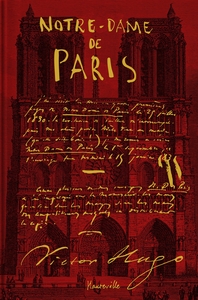
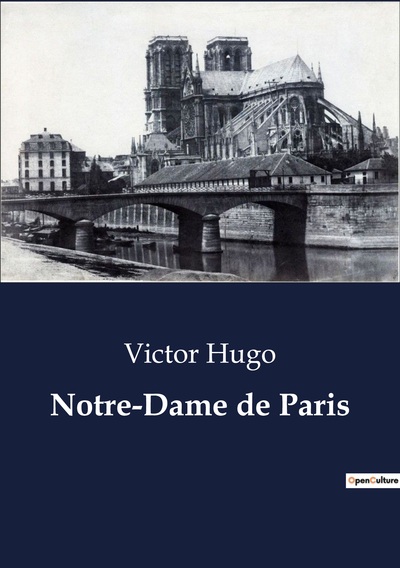
Notre-Dame de Paris
EAN : 9791041802937
Édition papier
EAN : 9791041802937
Paru le : 15 juil. 2023
30,95 €
29,34 €
Disponible
Pour connaître votre prix et commander, identifiez-vous
Notre engagement qualité
-
 Livraison gratuite
en France sans minimum
de commande -
 Manquants maintenus
en commande
automatiquement -
 Un interlocuteur
unique pour toutes
vos commandes -
 Toutes les licences
numériques du marché
au tarif éditeur -
 Assistance téléphonique
personalisée sur le
numérique -
 Service client
Du Lundi au vendredi
de 9h à 18h
- EAN13 : 9791041802937
- Réf. fournisseur : 291152
- Date Parution : 15 juil. 2023
- Disponibilite : Disponible
- Barème de remise : NS
- Nombre de pages : 700
- Format : H:210 mm L:148 mm E:37 mm
- Poids : 889gr
- Résumé : "Notre-Dame de Paris," also known as "The Hunchback of Notre-Dame," is a classic novel by Victor Hugo that explores themes of love, fate, and social injustice set against the backdrop of 15th-century Paris. The story begins with a grand public event at the Palais de Justice, where a morality play is to be performed. The crowd, eager for entertainment, grows restless as they await the arrival of the Flemish ambassadors and the commencement of the play. Amidst the chaos, Pierre Gringoire, the playwright, anxiously anticipates the reception of his work. The narrative introduces a diverse cast of characters, including the deformed bell-ringer Quasimodo, the beautiful gypsy Esmeralda, and the conflicted archdeacon Claude Frollo. As the story unfolds, these characters become entangled in a web of unrequited love, jealousy, and tragedy. Quasimodo's devotion to Esmeralda, Frollo's obsessive desire, and Gringoire's quest for recognition highlight the complexities of human emotion and the harsh realities of societal norms. Hugo's vivid descriptions of Notre-Dame Cathedral and the vibrant city of Paris serve as a powerful backdrop to the unfolding drama, emphasizing the novel's exploration of the tension between the past and the present, and the individual's struggle against destiny.
- Biographie : Né à Besançon en 1802, Victor Hugo est très vite apparu comme le chef de l'école romantique. Élu à l'Académie française en 1841, il est membre de l'Assemblée législative en 1849 et député de Paris en 1871. Quand Victor Hugo meurt, à 83 ans, il a droit à des funérailles nationales et une immense foule l'accompagne. Il laisse une oeuvre inégalée.
![ROMANS [I, II], III - COFFRET ILLUSTRE UN VOLUME : L'HOMME QUI RIT - QUATREVINGT-TREIZE ET AUTRES RO](https://images.centprod.com/3025594997205/NBllzQtV_frXxLr-n1DxALDqU5u34_xfHlooWL_JYv_r9thez3ErfQ-cover-medium.jpg)