Nous utilisons des cookies pour améliorer votre expérience. Pour nous conformer à la nouvelle directive sur la vie privée, nous devons demander votre consentement à l’utilisation de ces cookies. En savoir plus.

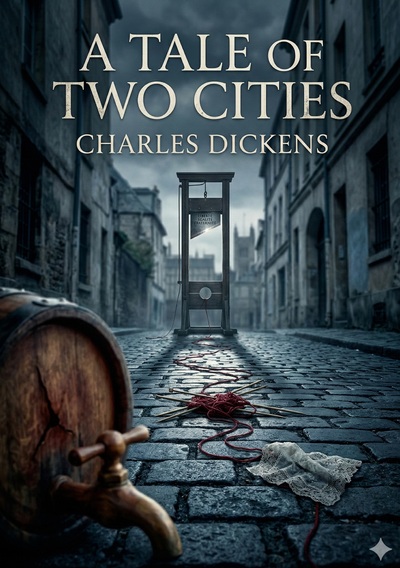
A Tale of Two Cities
EAN : 9791043140198
Édition papier
EAN : 9791043140198
Paru le : 8 mars 2026
26,95 €
25,55 €
Disponible
Pour connaître votre prix et commander, identifiez-vous
Notre engagement qualité
-
 Livraison gratuite
en France sans minimum
de commande -
 Manquants maintenus
en commande
automatiquement -
 Un interlocuteur
unique pour toutes
vos commandes -
 Toutes les licences
numériques du marché
au tarif éditeur -
 Assistance téléphonique
personalisée sur le
numérique -
 Service client
Du Lundi au vendredi
de 9h à 18h
- EAN13 : 9791043140198
- Réf. fournisseur : 446365
- Date Parution : 8 mars 2026
- Disponibilite : Disponible
- Barème de remise : NS
- Nombre de pages : 504
- Format : H:210 mm L:148 mm E:27 mm
- Poids : 645gr
- Résumé : A doctor is released from the Bastille after being falsely imprisoned for almost eighteen years. A young woman discovers the father she's never known is not dead but alive, if not entirely well. A young man is acquitted of being a traitor, due in part to the efforts of a rather selfish lout who is assisting the young man's attorney. A man has a wine shop in Paris with a wife who knits at the bar. These disparate elements are tied together as only Dickens can, and in the process he tells the story of the French Revolution.Charles Dickens was fascinated by Thomas Carlyle's magnum opus The French Revolution; according to Dickens' letters, he read it "500 times" and carried it with him everywhere while he was working on this novel. When he wrote to Carlyle asking him for books to read on background, Carlyle sent him two cartloads full. Dickens mimicked Carlyle's style, his chronology, and his overall characterization of the revolution; although A Tale of Two Cities is fiction, the historical events described are largely accurate, sometimes exactly so. Even so, Dickens made his name and reputation on telling stories full of characters one could be invested in, care about, and despise, and this novel has all of those and more. It also, in its first and last lines, has two of the most famous lines in literature. With the possible exception of A Christmas Carol, it is his most popular novel, and according to many, his best.