Nous utilisons des cookies pour améliorer votre expérience. Pour nous conformer à la nouvelle directive sur la vie privée, nous devons demander votre consentement à l’utilisation de ces cookies. En savoir plus.

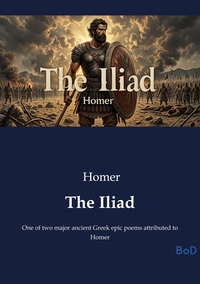
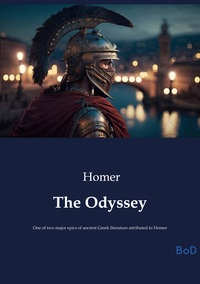
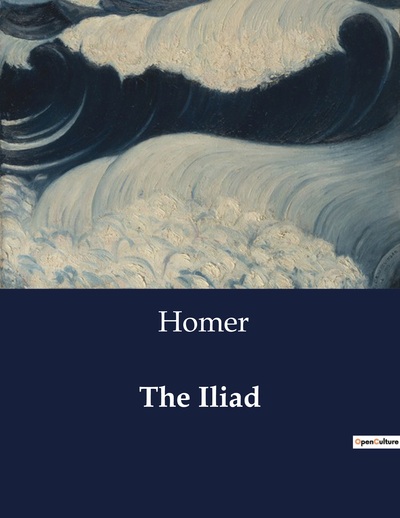
THE ILIAD - THE UNITY AND AUTHORSHIP OF HOMER'S EPICS: A SCHOLARLY EXPLORATION
EAN : 9791041996186
Édition papier
EAN : 9791041996186
Paru le : 6 avr. 2024
29,90 €
28,34 €
Disponible
Pour connaître votre prix et commander, identifiez-vous
Notre engagement qualité
-
 Livraison gratuite
en France sans minimum
de commande -
 Manquants maintenus
en commande
automatiquement -
 Un interlocuteur
unique pour toutes
vos commandes -
 Toutes les licences
numériques du marché
au tarif éditeur -
 Assistance téléphonique
personalisée sur le
numérique -
 Service client
Du Lundi au vendredi
de 9h à 18h
- EAN13 : 9791041996186
- Réf. fournisseur : 342394
- Date Parution : 6 avr. 2024
- Disponibilite : Disponible
- Barème de remise : NS
- Nombre de pages : 280
- Format : 1.50 x 17.00 x 22.00 cm
- Poids : 440gr
- Résumé : The text delves into the longstanding debate surrounding the authorship and unity of the Homeric epics, "The Iliad" and "The Odyssey." It begins by acknowledging the skepticism that has surrounded the existence of Homer as a singular historical figure, a skepticism that has been fueled by the lack of concrete biographical evidence and the mythical nature of the narratives themselves. The text explores various theories, including the notion that the epics were not the work of a single poet but rather a compilation of songs and rhapsodies by multiple authors, later unified by figures such as Peisistratus. The Wolfian theory, which posits that the epics were assembled from pre-existing songs during the time of Peisistratus, is critically examined. The text also considers the role of oral tradition and the absence of early written records in shaping the epics. Despite the various theories, the text leans towards the belief in a singular authorship, emphasizing the cohesive narrative and stylistic unity of the epics. It argues that the emotional and imaginative progression of the poems supports the idea of a single, visionary creator. The text concludes by highlighting the profound influence of Homer on Greek culture and literature, suggesting that the unity of the epics is integral to their enduring legacy.
- Biographie : Regroupement d'auteurs