Nous utilisons des cookies pour améliorer votre expérience. Pour nous conformer à la nouvelle directive sur la vie privée, nous devons demander votre consentement à l’utilisation de ces cookies. En savoir plus.

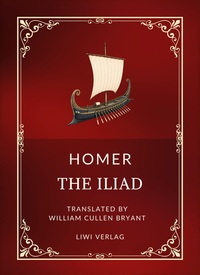
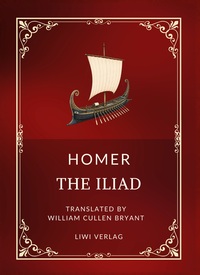
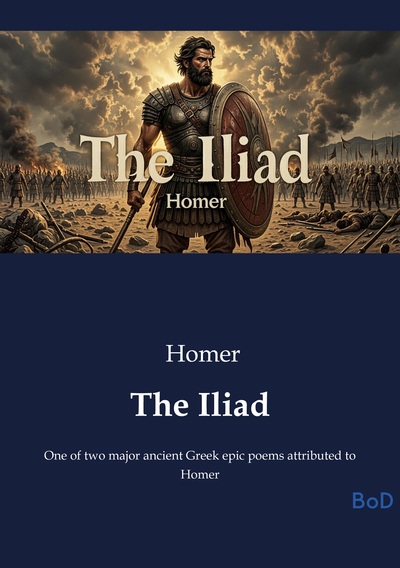
The Iliad
EAN : 9791043128660
Édition papier
EAN : 9791043128660
Paru le : 4 févr. 2026
35,00 €
33,18 €
Disponible
Pour connaître votre prix et commander, identifiez-vous
Notre engagement qualité
-
 Livraison gratuite
en France sans minimum
de commande -
 Manquants maintenus
en commande
automatiquement -
 Un interlocuteur
unique pour toutes
vos commandes -
 Toutes les licences
numériques du marché
au tarif éditeur -
 Assistance téléphonique
personalisée sur le
numérique -
 Service client
Du Lundi au vendredi
de 9h à 18h
- EAN13 : 9791043128660
- Réf. fournisseur : 439278
- Date Parution : 4 févr. 2026
- Disponibilite : Disponible
- Barème de remise : NS
- Nombre de pages : 670
- Format : H:210 mm L:148 mm E:36 mm
- Poids : 852gr
- Résumé : This comprehensive synthesis of Homer's *The Iliad* covers the entire epic poem, beginning with a translator's preface discussing faithfulness to the original Greek and literary criticism. The narrative plunges into the tenth year of the Trojan War, detailing the pivotal quarrel between Achilles and Agamemnon, leading to Apollo's plague and Thetis's appeal to Zeus. Early books describe Zeus's deceptive dream to Agamemnon, the assembly of the Greek army, the punishment of Thersites, and a comprehensive catalogue of forces. The breaking of a truce by divine intervention ignites fierce battles, highlighting the heroic deeds of figures like Diomedes, who wounds both mortals and deities.The epic continues with Hector's return to Troy, his emotional farewell to Andromache, and his single combat with Ajax. Divine intervention frequently shapes the conflict, with Jupiter favoring the Trojans and various gods engaging directly in the fighting. Agamemnon's despair leads to an embassy to Achilles, offering lavish gifts for his return, which Achilles steadfastly rejects due to his enduring wrath. The narrative includes the 'Doloneia,' a night expedition by Diomed and Ulysses into the Trojan camp, and intense battles at the Greek wall and ships, marked by the wounding of prominent Greek heroes and the intervention of gods like Neptune and Juno.A turning point arrives with Patroclus's plea to Achilles, leading him to enter battle in Achilles' armor. Patroclus's heroic exploits, including killing Sarpedon, culminate in his death at the hands of Hector, aided by Apollo. The subsequent fierce contest over Patroclus's body sees Hector claiming Achilles' armor. Overwhelmed by grief and a desire for vengeance, Achilles reconciles with Agamemnon, receives new, magnificent armor forged by Vulcan, and returns to the battlefield. His furious rampage against the Trojans, marked by divine intervention and his battle with the river god Scamander, leads to the climactic duel with Hector. Achilles brutally kills and desecrates Hector's body, causing profound grief in Troy.The epic concludes with the elaborate funeral rites for Patroclus, including sacrifices and funeral games. Finally, the gods intervene to compel Achilles to return Hector's body. Priam, guided by Hermes, bravely journeys to Achilles' tent, and through a poignant plea, moves Achilles to compassion. Achilles returns Hector's body, grants a truce, and the poem ends with the solemn funeral rites for Hector in Troy, bringing a temporary closure to the cycle of violence and grief.