Nous utilisons des cookies pour améliorer votre expérience. Pour nous conformer à la nouvelle directive sur la vie privée, nous devons demander votre consentement à l’utilisation de ces cookies. En savoir plus.

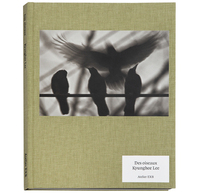
DES OISEAUX - (VERSION ANGLAISE)
EAN : 9782365114738
Édition papier
EAN : 9782365114738
Paru le : 9 avr. 2026
39,00 €
36,97 €
Disponible
Pour connaître votre prix et commander, identifiez-vous
Notre engagement qualité
-
 Livraison gratuite
en France sans minimum
de commande -
 Manquants maintenus
en commande
automatiquement -
 Un interlocuteur
unique pour toutes
vos commandes -
 Toutes les licences
numériques du marché
au tarif éditeur -
 Assistance téléphonique
personalisée sur le
numérique -
 Service client
Du Lundi au vendredi
de 9h à 18h
- EAN13 : 9782365114738
- Réf. fournisseur : 1078630
- Collection : DES OISEAUX
- Date Parution : 9 avr. 2026
- Disponibilite : Disponible
- Barème de remise : NS
- Format : 1.40 x 21.20 x 26.20 cm
- Poids : 556gr
-
Résumé :
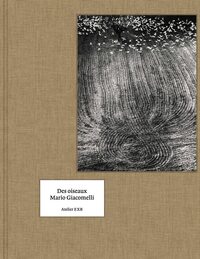
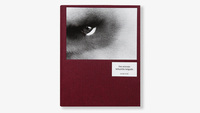
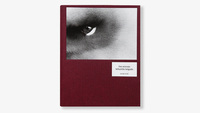
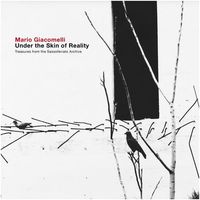
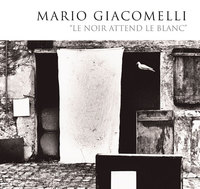
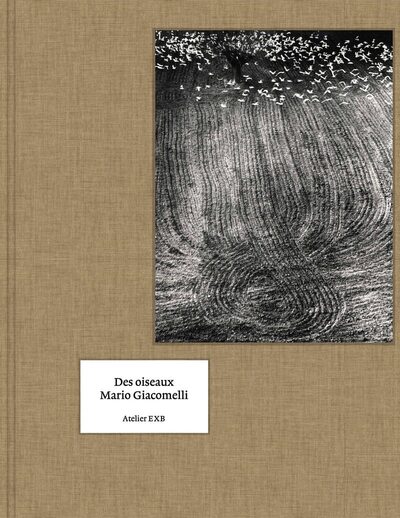
In Mario Giacomelli's work, birds are never mere motifs: they are one of the territories where his vision of the world plays out, at once lyrical, abrupt and shaken by the fragility of life.
From the agricultural landscapes of the Marches to the windswept plains, Giacomelli reveals their presence as a form of writing made up of traces, sudden appearances and disappearances. Often captured in flight, sometimes reduced to ink silhouettes against an overexposed sky, the birds become graphic, almost calligraphic signs, revealing the constant dialogue between the natural order and the disorder of human action. In these images, the extreme black and white – characteristic of his style – reinforces the tension between appearance and disappearance. The violent contrast is not an aesthetic effect, but the translation of an intense relationship with reality: for Mario Giacomelli, photography consists of bringing about a raw emotion, stripped of any documentary temptation. The birds, captured in an almost pictorial vibration, evoke primitive presences, fragile totems balancing in a changing rural world. In their own way, these images extend one of the Italian photographer's major themes: the inscription of the passage of time on the earth. The bird, a symbol of freedom but also of precariousness, thus becomes a mirror of human existence: fleeting, repetitive, always beginning anew. The oblique lines of the landscape, the furrows traced by the plough, the shadows streaking across the fields compose a score in which the flight of birds introduces a breath, a rhythm, a form of unexpected grace. It is this power of invention – almost visionary – that makes his work an essential milestone in 20th-century European photography.