Nous utilisons des cookies pour améliorer votre expérience. Pour nous conformer à la nouvelle directive sur la vie privée, nous devons demander votre consentement à l’utilisation de ces cookies. En savoir plus.

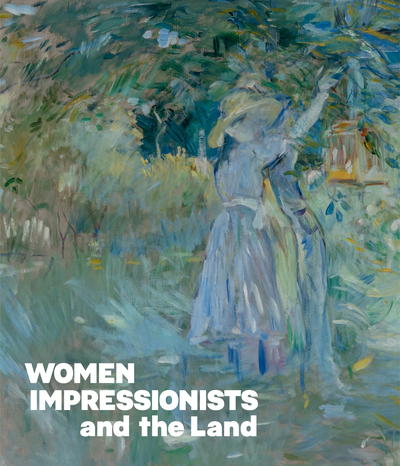
Women Impressionists and the Land
Holberton - EAN : 9781917976138
Édition papier
EAN : 9781917976138
Paru le : 2 oct. 2026
50,00 €
47,39 €
Bientôt disponible
Pour connaître votre prix et commander, identifiez-vous
A paraître 2 oct. 2026
Notre engagement qualité
-
 Livraison gratuite
en France sans minimum
de commande -
 Manquants maintenus
en commande
automatiquement -
 Un interlocuteur
unique pour toutes
vos commandes -
 Toutes les licences
numériques du marché
au tarif éditeur -
 Assistance téléphonique
personalisée sur le
numérique -
 Service client
Du Lundi au vendredi
de 9h à 18h
- EAN13 : 9781917976138
- Editeur : Holberton
- Date Parution : 2 oct. 2026
- Disponibilite : Pas encore paru
- Barème de remise : NS
- Nombre de pages : 152
- Format : H:20 mm L:247 mm E:286 mm
- Poids : 1.086kg
- Résumé : This beautiful catalogue offers the first serious investigation of the landscape production of the women Impressionists. Presenting fresh, contemporary perspectives, it features both famous and little-known artists, such as Berthe Morisot, Mary Cassatt, Marie Bracquemond and Blanche Hoschedé-Monet. This is the first book to focus on landscape and nature imagery in the work of the women Impressionists. Rather than concentrating on the domestic subject matter of these artists, which has been widely discussed, this book, which accompanies a Saint Louis Art Museum exhibition, explores the less documented outdoor spaces that were painted by the key women in the group, particularly Berthe Morisot, Mary Cassatt, Marie Bracquemond and Blanche Hoschedé-Monet. The book explores the way in which landscape imagery contributed to the rise in status of women artists in France during the years 1860–1910. It examines a range of works, focusing especially on the work of Morisot, who trained as a landscape painter and saw landscape imagery as a central part of her practice. The book examines favoured iconographical themes, such as the painting of marine and agricultural scenes, and parks and gardens. Central is imagery of a domesticated nature, such as Morisot’s paintings of the Bois de Boulogne, Bracquemond’s pictures at Sèvres and Cassatt’s views at the Château de Beaufresne after 1894.