Nous utilisons des cookies pour améliorer votre expérience. Pour nous conformer à la nouvelle directive sur la vie privée, nous devons demander votre consentement à l’utilisation de ces cookies. En savoir plus.

Wit and Wisdom of Don Quixote
EAN : 9791041999774
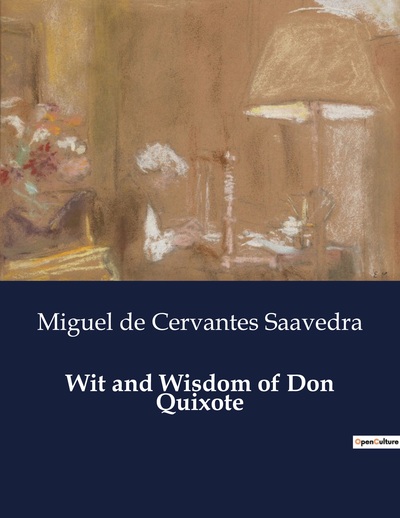
Édition papier
EAN : 9791041999774
Paru le : 26 avr. 2024
22,00 €
20,85 €
Disponible
Pour connaître votre prix et commander, identifiez-vous
Notre engagement qualité
-
 Livraison gratuite
en France sans minimum
de commande -
 Manquants maintenus
en commande
automatiquement -
 Un interlocuteur
unique pour toutes
vos commandes -
 Toutes les licences
numériques du marché
au tarif éditeur -
 Assistance téléphonique
personalisée sur le
numérique -
 Service client
Du Lundi au vendredi
de 9h à 18h
- EAN13 : 9791041999774
- Réf. fournisseur : 347178
- Date Parution : 26 avr. 2024
- Disponibilite : Disponible
- Barème de remise : NS
- Nombre de pages : 176
- Format : H:220 mm L:170 mm E:10 mm
- Poids : 284gr
- Résumé : "Wit and Wisdom of Don Quixote" is a collection of excerpts from Miguel de Cervantes Saavedra's seminal work, "Don Quixote," which explores the adventures and misadventures of a self-proclaimed knight-errant, Don Quixote, and his loyal squire, Sancho Panza. The narrative begins with Don Quixote, a gentleman from La Mancha, who becomes so enamored with tales of chivalry that he decides to revive the tradition by becoming a knight-errant himself. He dons an old suit of armor, renames his horse Rozinante, and sets out to seek adventure, justice, and glory. His imagination transforms ordinary inns into castles and common people into figures of nobility, leading to a series of humorous and poignant encounters. Throughout his journey, Don Quixote remains steadfast in his ideals, despite the ridicule and challenges he faces. His interactions with various characters, including innkeepers, shepherds, and fellow travelers, reveal his unwavering commitment to the chivalric code and his belief in the nobility of his quest. The text also highlights the contrast between Don Quixote's idealism and Sancho Panza's practical wisdom, often conveyed through proverbs and common sense. Cervantes uses this dynamic to explore themes of reality versus illusion, the nature of heroism, and the power of literature to shape one's worldview. The work is both a satire of the chivalric romances popular in Cervantes' time and a profound meditation on the human condition, blending humor with philosophical insight.