Nous utilisons des cookies pour améliorer votre expérience. Pour nous conformer à la nouvelle directive sur la vie privée, nous devons demander votre consentement à l’utilisation de ces cookies. En savoir plus.

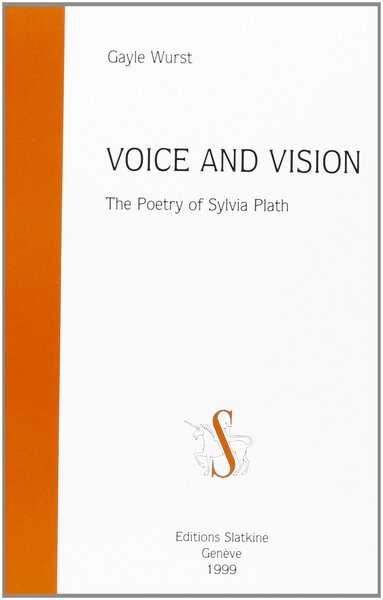
Voice and vision - the poetry of Sylvia Plath
Slatkine - EAN : 9782051016575
Édition papier
EAN : 9782051016575
Paru le : 27 sept. 1999
60,00 €
56,87 €
Disponible
Pour connaître votre prix et commander, identifiez-vous
Notre engagement qualité
-
 Livraison gratuite
en France sans minimum
de commande -
 Manquants maintenus
en commande
automatiquement -
 Un interlocuteur
unique pour toutes
vos commandes -
 Toutes les licences
numériques du marché
au tarif éditeur -
 Assistance téléphonique
personalisée sur le
numérique -
 Service client
Du Lundi au vendredi
de 9h à 18h
- EAN13 : 9782051016575
- Réf. fournisseur : 07067407
- Collection : TUS
- Editeur : Slatkine
- Date Parution : 27 sept. 1999
- Disponibilite : Disponible
- Barème de remise : NS
- Nombre de pages : 396
- Format : H:22 mm L:220 mm E:150 mm
- Poids : 440gr
- Résumé : Largely formed before the majority of her work had been published, Sylvia Plath's literary reputation is one of the most paradoxical in the history of modern English. Voice and Vision: The Poetry of Sylvia Plath takes a dual approach to the writing of this controversial poet, offering the first history of Plath reception and a new, diachronic analysis of her poetics which is firmly grounded in numerous close readings beginning with the earliest juvenilia. Part One of Voice and Vision presents an overview of the extremist/confessional, mythological/archetypal, and early feminist approaches which dominated the first quarter century of Plath reception. It highlights Plath as an ex patriot poet whose reputation was well estab-lished in England before her work was recognized in the United States, and restores her poetry, Ted Hughes's editorial policies, and his interpretations of her work to their original contexts. Discussions include the wide-spread perception of a cultural crisis among intellectuals in post-war Britain, the expectations of the literary milieu in which Plath wrote her most famous poems, and Plath's response to a call for a radical "new poetry" in 1962 by A. Alvarez. The study traces the rise of the nefarious "Plath myth" in England between 1963 and 1965, and argues that this pre-reception influenced the very shape and contents of Ariel, the volume which brought Plath to international attention two years after her death.


