Nous utilisons des cookies pour améliorer votre expérience. Pour nous conformer à la nouvelle directive sur la vie privée, nous devons demander votre consentement à l’utilisation de ces cookies. En savoir plus.

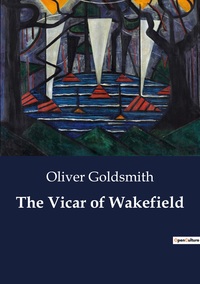
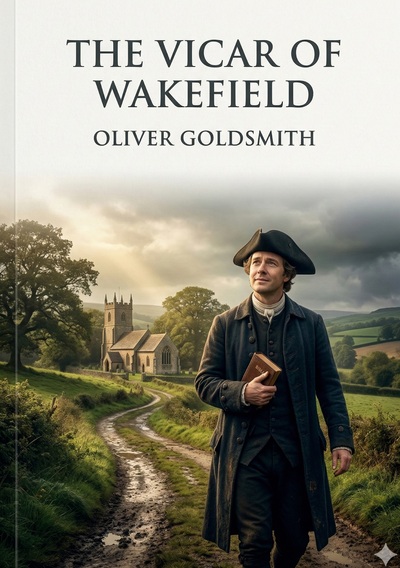
The Vicar of Wakefield
EAN : 9791043145889
Édition papier
EAN : 9791043145889
Paru le : 18 févr. 2026
21,95 €
20,81 €
Disponible
Pour connaître votre prix et commander, identifiez-vous
Notre engagement qualité
-
 Livraison gratuite
en France sans minimum
de commande -
 Manquants maintenus
en commande
automatiquement -
 Un interlocuteur
unique pour toutes
vos commandes -
 Toutes les licences
numériques du marché
au tarif éditeur -
 Assistance téléphonique
personalisée sur le
numérique -
 Service client
Du Lundi au vendredi
de 9h à 18h
- EAN13 : 9791043145889
- Réf. fournisseur : 442636
- Date Parution : 18 févr. 2026
- Disponibilite : Disponible
- Barème de remise : NS
- Nombre de pages : 228
- Format : H:210 mm L:148 mm E:13 mm
- Poids : 300gr
- Résumé : Though published in 1766, The Vicar of Wakefield was one of the most popular and widely-read books of the Victorian era. References to Vicar in Victorian literature abound: George Eliot, Austen, Dickens, Mary Shelly, Charlotte Brontë, Alcott, Goethe, and many more famous writers all mention Vicar in their books.The plot concerns the titular vicar, Charles Primrose, a mild-mannered and forgiving man who lives with his family in a country parish. His prosperity comes from careful investments of his inheritance—but when one of his business partners goes bankrupt, the vicar finds himself suddenly impoverished.Perhaps the reason for Vicar's long-lasting appeal is its careful balance between its being interpreted as either a sincere sentimental novel, or a satire of sentimental novels. Primrose is an oblivious protagonist, totally helpless against the evil forces of the world that constantly buffet him and his family. Despite this, the almost-ridiculous plot always manages to find a deus ex machina to save him from his latest calamity. The plot is so unbelievable that the reader is led to think that Goldsmith must have meant Vicar as a satire—and yet the novel is so earnest that the reader is left wondering.In the end, Primrose and his family serve as warnings to the reader to not be as heedless and powerless as they. The family's constant deliverance from the disasters they blunder in to are Goldsmith's way of saying that life is really not so Panglossian as one might want to believe, and that bad things can and do happen to good people—though in real life, rarely does a hero appear for a last-minute rescue. This worldview, which is so contrary to the Victorian's ideals of romance and sentimentalism, may be what made it so popular as a satire in that era.
- Biographie : Goldsmith's birth date and year are not known with certainty. According to the Library of Congress authority file, he told a biographer that he was born on 10 November 1728. The location of his birthplace is also uncertain. He was born either in the townland of Pallas, near Ballymahon, County Longford, Ireland, where his father was the Anglican curate of the parish of Forgney, or at the residence of his maternal grandparents, at the Smith Hill House near Elphin in County Roscommon, where his grandfather Oliver Jones was a clergyman and master of the Elphin diocesan school, and where Oliver studied. When Goldsmith was two years old, his father was appointed the rector of the parish of Kilkenny West in County Westmeath. The family moved to the parsonage at Lissoy, between Athlone and Ballymahon, and continued to live there until his father's death in 1747.