Nous utilisons des cookies pour améliorer votre expérience. Pour nous conformer à la nouvelle directive sur la vie privée, nous devons demander votre consentement à l’utilisation de ces cookies. En savoir plus.

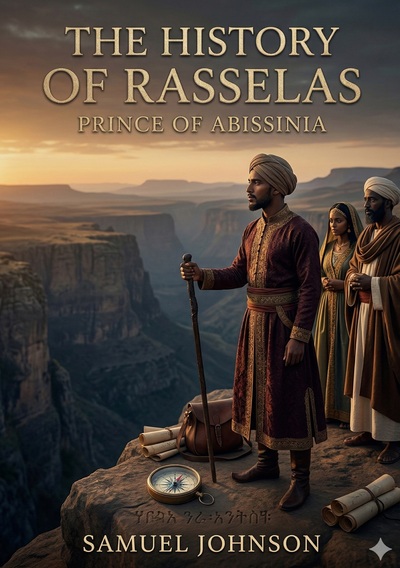
The History of Rasselas, Prince of Abyssinia
EAN : 9791043144240
Édition papier
EAN : 9791043144240
Paru le : 23 mars 2026
19,95 €
18,91 €
Disponible
Pour connaître votre prix et commander, identifiez-vous
Notre engagement qualité
-
 Livraison gratuite
en France sans minimum
de commande -
 Manquants maintenus
en commande
automatiquement -
 Un interlocuteur
unique pour toutes
vos commandes -
 Toutes les licences
numériques du marché
au tarif éditeur -
 Assistance téléphonique
personalisée sur le
numérique -
 Service client
Du Lundi au vendredi
de 9h à 18h
- EAN13 : 9791043144240
- Réf. fournisseur : 444280
- Date Parution : 23 mars 2026
- Disponibilite : Disponible
- Barème de remise : NS
- Nombre de pages : 162
- Format : H:210 mm L:148 mm E:9 mm
- Poids : 219gr
- Résumé : Rasselas is a fable-like story, more apologue than novel, written by Johnson in 1759 to help pay for the costs of his recently-deceased mother's funeral. While the plot is basic and the characters are thin, the work is an important philosophical piece exploring whether or not humanity can attain happiness.Rasselas, an Abyssinian prince, travels with his sister Nekayah, her handmaiden Pekuah, and the wise poet Imlac—a proxy for Johnson himself. Their exploration of happiness and the meaning of leading a happy life is a complex and subtle one, though the work ends with "nothing concluded." Johnson leaves the reader to ponder: Can an individual ever attain happiness in any meaningful sense?
- Biographie : Captain Charles Johnson was the British author of the 1724 book A General History of the Robberies and Murders of the most notorious Pyrates, whose identity remains a mystery. No record exists of a captain by this name, and Captain Charles Johnson is generally considered a pen name for one of London's writer-publishers. Some scholars have suggested that the author was actually Daniel Defoe, but this is disputed.