Nous utilisons des cookies pour améliorer votre expérience. Pour nous conformer à la nouvelle directive sur la vie privée, nous devons demander votre consentement à l’utilisation de ces cookies. En savoir plus.

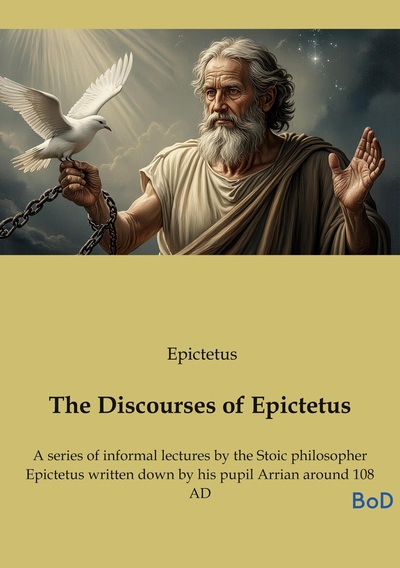
The Discourses of Epictetus
EAN : 9791041807796
Édition papier
EAN : 9791041807796
Paru le : 4 févr. 2026
35,00 €
33,18 €
Disponible
Pour connaître votre prix et commander, identifiez-vous
Notre engagement qualité
-
 Livraison gratuite
en France sans minimum
de commande -
 Manquants maintenus
en commande
automatiquement -
 Un interlocuteur
unique pour toutes
vos commandes -
 Toutes les licences
numériques du marché
au tarif éditeur -
 Assistance téléphonique
personalisée sur le
numérique -
 Service client
Du Lundi au vendredi
de 9h à 18h
- EAN13 : 9791041807796
- Réf. fournisseur : 439104
- Date Parution : 4 févr. 2026
- Disponibilite : Disponible
- Barème de remise : NS
- Nombre de pages : 530
- Format : H:210 mm L:148 mm E:28 mm
- Poids : 678gr
- Résumé : This book presents the complete philosophical discourses of Epictetus, as recorded by his pupil Arrian, offering a profound exploration of Stoic philosophy. It meticulously distinguishes between what is within human control (will, opinions, judgments, desires, aversions) and what is external and beyond control (body, possessions, reputation, events). The core teaching emphasizes cultivating virtue, reason, self-control, and inner tranquility to achieve true freedom and happiness, advocating for a life lived in accordance with nature and divine will. Epictetus critiques the mere intellectualization of philosophy, stressing the importance of practical application and consistent self-mastery in daily life. Key themes include the nature of good and evil, the pursuit of freedom from perturbation, the role of duty, and the proper use of 'preconceptions' and 'appearances'. The text frequently references figures like Socrates and Diogenes as exemplars of Stoic ideals and contrasts its views with those of Epicureanism and Pyrrhonism. This edition also includes an introduction discussing the translation's methodology and historical context, along with extensive scholarly notes and commentary that compare Epictetus's teachings with other ancient philosophers and Christian doctrines, providing rich textual and historical insights.