Nous utilisons des cookies pour améliorer votre expérience. Pour nous conformer à la nouvelle directive sur la vie privée, nous devons demander votre consentement à l’utilisation de ces cookies. En savoir plus.

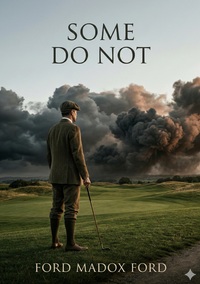
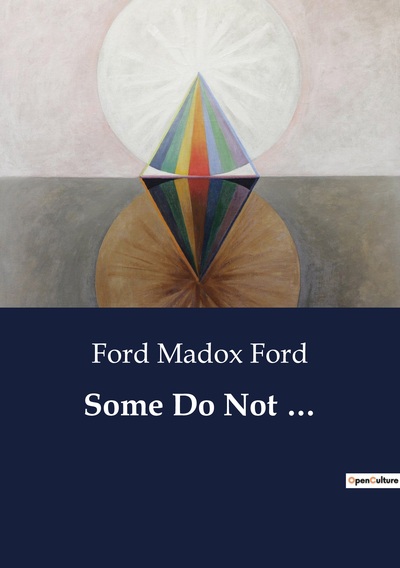
Some Do Not ...
EAN : 9791041803798
Édition papier
EAN : 9791041803798
Paru le : 27 avr. 2023
24,90 €
23,60 €
Disponible
Pour connaître votre prix et commander, identifiez-vous
Notre engagement qualité
-
 Livraison gratuite
en France sans minimum
de commande -
 Manquants maintenus
en commande
automatiquement -
 Un interlocuteur
unique pour toutes
vos commandes -
 Toutes les licences
numériques du marché
au tarif éditeur -
 Assistance téléphonique
personalisée sur le
numérique -
 Service client
Du Lundi au vendredi
de 9h à 18h
- EAN13 : 9791041803798
- Réf. fournisseur : 293168
- Date Parution : 27 avr. 2023
- Disponibilite : Disponible
- Barème de remise : NS
- Nombre de pages : 420
- Format : H:210 mm L:148 mm E:23 mm
- Poids : 540gr
- Résumé : Some Do Not ... opens at the cusp of World War I. Christopher Tietjens, a government statistician, and his friend Vincent Macmaster, an aspiring literary critic, are visiting the English countryside. Tietjens, preoccupied with his disastrous marriage, meets Valentine Wannop, a suffragette, during a round of golf. As their love story develops, the novel explores the horrors of the war without the narrative ever entering the battlefield. The characters are complex and nuanced. Tietjens is an old-fashioned man even by the standards of his day; he's concerned with honor and doing the right thing, but he lives in a society that only pays those values lip service. Yet he himself isn't free of a thread of hypocrisy: he won't leave his deeply unhappy marriage because that would be the wrong way to act, but the reader is left wondering if he tolerates his situation simply because he married up in class. He wants to do to the noble and right thing, but does that mean going to war? The men and women around him each have their individual motivations, and they are often conniving and unlikable in their aspirations even as the propaganda of England at war paints the country as a moral and heroic one. The delicate interplay of each character's subtleties paints a rich portrait of 1920s English society, as the romantic ideals of right and wrong clash with notions of ambition and practicality. The prose is unapologetically modernist: unannounced time shifts combine with a stream-of-consciousness style that can often be dense. Yet Ford's portrayal of shell shock, the politics of women in the 1920s, and the moral greyness of wartime is groundbreaking. The book, and its complete tetralogy—called Parade's End—has garnered praise from critics and authors alike, with Anthony Burgess calling it "the finest novel about the First World War" and William Carlos Williams stating that the novels "constitute the English prose masterpiece of their time."