Nous utilisons des cookies pour améliorer votre expérience. Pour nous conformer à la nouvelle directive sur la vie privée, nous devons demander votre consentement à l’utilisation de ces cookies. En savoir plus.

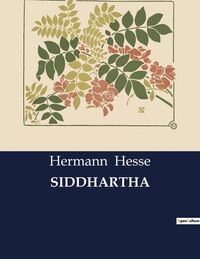
Siddhartha
EAN : 9791043143137
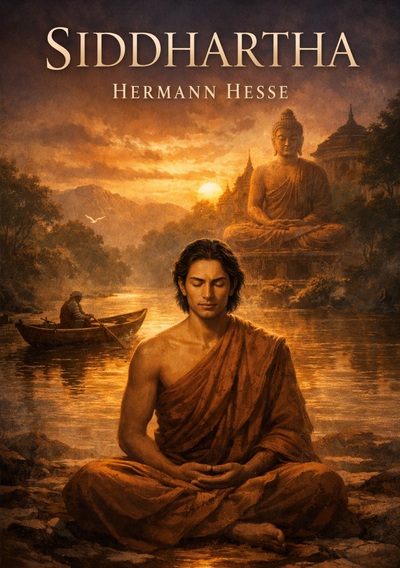
Édition papier
EAN : 9791043143137
Paru le : 22 mars 2026
19,95 €
18,91 €
Disponible
Pour connaître votre prix et commander, identifiez-vous
Notre engagement qualité
-
 Livraison gratuite
en France sans minimum
de commande -
 Manquants maintenus
en commande
automatiquement -
 Un interlocuteur
unique pour toutes
vos commandes -
 Toutes les licences
numériques du marché
au tarif éditeur -
 Assistance téléphonique
personalisée sur le
numérique -
 Service client
Du Lundi au vendredi
de 9h à 18h
- EAN13 : 9791043143137
- Réf. fournisseur : 449168
- Date Parution : 22 mars 2026
- Disponibilite : Disponible
- Barème de remise : NS
- Nombre de pages : 142
- Format : H:210 mm L:148 mm E:8 mm
- Poids : 194gr
- Résumé : Hermann Hesse wrote Siddhartha during a period in his life in which he suffered what he described as a "sickness with life." He claimed to be unable to complete the book because he had not experienced the kind of nirvana that Siddhartha, the main character, wants to achieve—so Hesse surrounded himself with sacred Buddhist and Hindu teachings and lived as a recluse in order to complete this work.Siddhartha is a short, simple tale of a man's quest to achieve enlightenment and happiness. Over twelve short chapters the reader follows Siddhartha through his time as a young adult, to his exploration of spirituality as a traveling ascetic, to his delvings in lust, business, and greed, to his time as an old man. At each stage of his life Siddhartha yearns for nirvana, finally achieving it only after realizing that it's all of life's experiences that form it, not the teachings of any one man.Today Siddhartha remains an influential text in new Western spirituality.
- Biographie : Hermann Karl Hesse, Pseudonym: Emil Sinclair[1] (* 2. Juli 1877 in Calw; † 9. August 1962 in Montagnola, Schweiz; heimatberechtigt in Basel und Bern), war ein deutsch-schweizerischer Schriftsteller, Dichter und Maler. Bekanntheit erlangte er mit Prosawerken wie Siddhartha, Der Steppenwolf, Demian, Das Glasperlenspiel sowie Narziß und Goldmund und mit seinen Gedichten (z. B. Stufen). 1946 wurde ihm der Nobelpreis für Literatur verliehen, 1954 wurde er in den Orden Pour le Mérite für Wissenschaften und Künste aufgenommen. Die meisten seiner Werke haben die Suche eines Menschen nach Authentizität, Selbsterkenntnis und Spiritualität zum Thema.