Nous utilisons des cookies pour améliorer votre expérience. Pour nous conformer à la nouvelle directive sur la vie privée, nous devons demander votre consentement à l’utilisation de ces cookies. En savoir plus.

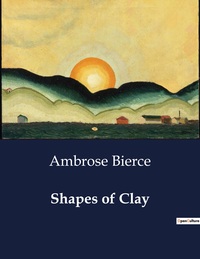
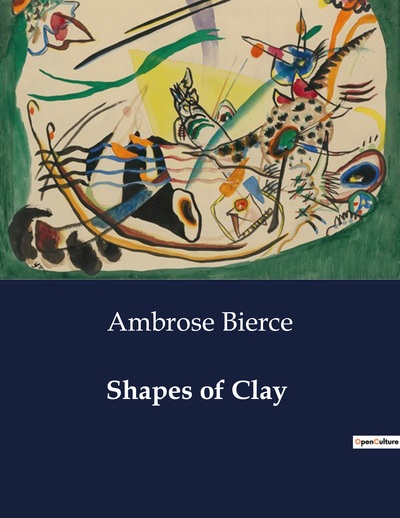
Shapes of Clay
EAN : 9791041987764
Édition papier
EAN : 9791041987764
Paru le : 4 mars 2024
17,00 €
16,11 €
Disponible
Pour connaître votre prix et commander, identifiez-vous
Notre engagement qualité
-
 Livraison gratuite
en France sans minimum
de commande -
 Manquants maintenus
en commande
automatiquement -
 Un interlocuteur
unique pour toutes
vos commandes -
 Toutes les licences
numériques du marché
au tarif éditeur -
 Assistance téléphonique
personalisée sur le
numérique -
 Service client
Du Lundi au vendredi
de 9h à 18h
- EAN13 : 9791041987764
- Réf. fournisseur : 336740
- Date Parution : 4 mars 2024
- Disponibilite : Disponible
- Barème de remise : NS
- Nombre de pages : 100
- Format : H:220 mm L:170 mm E:6 mm
- Poids : 170gr
- Résumé : Shapes of Clay by Ambrose Bierce is a compelling collection of poems that delve into the complexities of human nature, society, and morality. The work is characterized by Bierce's signature satirical style, which he uses to critique various aspects of life, including politics, religion, and human folly. The collection opens with a dedication to his young friends and pupils, George Sterling and Herman Scheffauer, and a preface where Bierce discusses the nature of satire and his motivations for writing. The poems are not categorized by theme, allowing readers to experience the full range of Bierce's wit and insight without preconceived notions. The poems cover a wide array of topics, from the fleeting nature of fame and the hypocrisy of societal norms to the existential musings on life and death. Bierce's sharp observations are evident in pieces like "The Passing Show," where he reflects on the transient nature of human achievements, and "A Harbinger of Doom," which presents a haunting image of a world plagued by its own sins. In "Politics," Bierce critiques the sycophantic nature of political figures, while "Religion" offers a poignant commentary on the disconnect between divine intentions and human actions. Throughout the collection, Bierce employs a blend of humor, irony, and cynicism to challenge readers to reflect on their own beliefs and the world around them. His use of vivid imagery and biting language serves to underscore the absurdities and contradictions inherent in human behavior. Shapes of Clay remains a thought-provoking work that continues to resonate with readers, offering timeless insights into the human condition.