Nous utilisons des cookies pour améliorer votre expérience. Pour nous conformer à la nouvelle directive sur la vie privée, nous devons demander votre consentement à l’utilisation de ces cookies. En savoir plus.

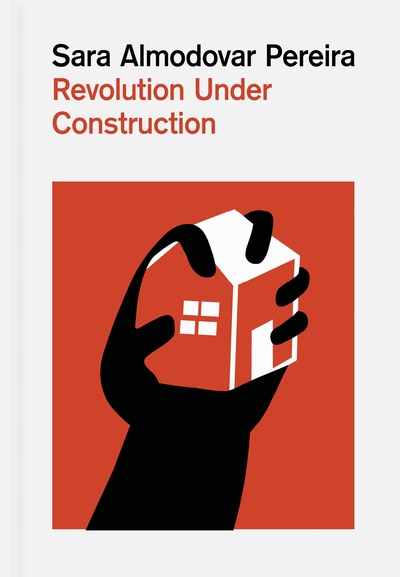
Revolution Under Construction
EAN : 9781917651806
Édition papier
EAN : 9781917651806
Paru le : 13 nov. 2026
22,00 €
20,85 €
Bientôt disponible
Pour connaître votre prix et commander, identifiez-vous
A paraître 13 nov. 2026
Notre engagement qualité
-
 Livraison gratuite
en France sans minimum
de commande -
 Manquants maintenus
en commande
automatiquement -
 Un interlocuteur
unique pour toutes
vos commandes -
 Toutes les licences
numériques du marché
au tarif éditeur -
 Assistance téléphonique
personalisée sur le
numérique -
 Service client
Du Lundi au vendredi
de 9h à 18h
- EAN13 : 9781917651806
- Date Parution : 13 nov. 2026
- Disponibilite : Pas encore paru
- Barème de remise : NS
- Nombre de pages : 244
- Format : H:125 mm L:180 mm
- Poids : 0gr
- Résumé : The fall of the dictatorship in 1974 saw the start of Portugal’s revolutionary period and with it one of the most remarkable housing initiatives in European history. As an immediate response to the vast portion of the population living in slums and shanties, the SAAL (Mobile Local Support Service) was established to equip impoverished people to build the new homes they needed. Initiated by architect Nuno Portas, the SAAL connected citizens with planners, architects, engineers, and builders to collaborate on the design and construction of new developments, to be built on requisitioned sites as close as possible to the inhabitants’ former homes. The resulting estates were intimately informed by their inhabitants’ needs and hopes. Through their uniquely participatory process they developed a celebrated new architectural language. In this book, Sara Almodovar Pereira collects the experiences and reflections of those who participated in the SAAL, reconstructing this extraordinary chapter in architectural and social history through the voices of those who were there, at the protests and meetings, on the building sites and barracks. The experiences recounted are revelatory, demonstrating truly participatory architecture and offering new understandings of housing as right and provision, far from prevailing paradigms and their perpetuated logic of ‘crisis’. This immersive oral history traces the unfolding of a historical moment at ground level and reminds us of ways of working and building that could transform the future.