Nous utilisons des cookies pour améliorer votre expérience. Pour nous conformer à la nouvelle directive sur la vie privée, nous devons demander votre consentement à l’utilisation de ces cookies. En savoir plus.

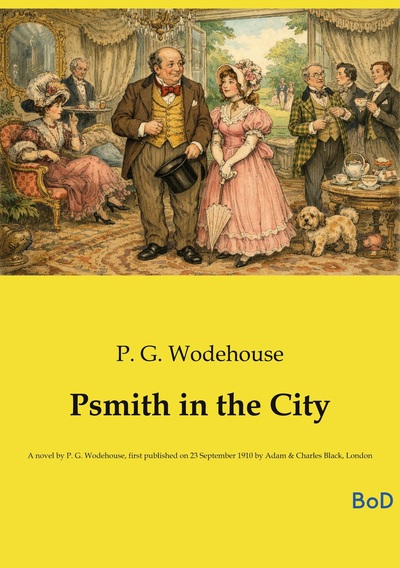
Psmith in the City
EAN : 9791043128554
Édition papier
EAN : 9791043128554
Paru le : 4 févr. 2026
22,00 €
20,85 €
Disponible
Pour connaître votre prix et commander, identifiez-vous
Notre engagement qualité
-
 Livraison gratuite
en France sans minimum
de commande -
 Manquants maintenus
en commande
automatiquement -
 Un interlocuteur
unique pour toutes
vos commandes -
 Toutes les licences
numériques du marché
au tarif éditeur -
 Assistance téléphonique
personalisée sur le
numérique -
 Service client
Du Lundi au vendredi
de 9h à 18h
- EAN13 : 9791043128554
- Réf. fournisseur : 439270
- Date Parution : 4 févr. 2026
- Disponibilite : Disponible
- Barème de remise : NS
- Nombre de pages : 206
- Format : H:210 mm L:148 mm E:11 mm
- Poids : 274gr
- Résumé : Mike Jackson, whose family has lost its fortune, is forced to abandon his Cambridge university plans and take a clerical job at the New Asiatic Bank in London. His eccentric friend Psmith joins him, and together they navigate the monotonous world of banking and the challenges posed by their difficult manager, Mr. Bickersdyke, often using Psmith's unique and humorous tactics. Psmith's disruptive behavior, including heckling Bickersdyke at a political meeting and instigating a brawl, leads to workplace confrontations. Psmith cleverly uses Bickersdyke's past socialist speeches as leverage. Mike adjusts to bank life, working with the socialist Mr. Waller, whose job is later jeopardized by accidentally cashing a forged cheque. Mike is initially dismissed for helping Waller but is reinstated through Psmith's cunning blackmail of Bickersdyke. Both friends become disillusioned with banking; Mike yearns to play professional cricket, and Psmith decides to pursue law at Cambridge. Psmith orchestrates a plan for Mike to join him at Cambridge, funded by Psmith's father, to eventually manage the Psmith estates. The narrative concludes with both friends resigning from the bank, looking forward to their unconventional futures, highlighting themes of friendship, social adjustment, and the clash between youthful idealism and the realities of the working world, all infused with Wodehouse's characteristic wit.