Nous utilisons des cookies pour améliorer votre expérience. Pour nous conformer à la nouvelle directive sur la vie privée, nous devons demander votre consentement à l’utilisation de ces cookies. En savoir plus.

Passports 2012–2025
EAN : 9781917651486
Édition papier
EAN : 9781917651486
Paru le : 1 avr. 2026
70,00 €
66,35 €
Disponible
Pour connaître votre prix et commander, identifiez-vous
Notre engagement qualité
-
 Livraison gratuite
en France sans minimum
de commande -
 Manquants maintenus
en commande
automatiquement -
 Un interlocuteur
unique pour toutes
vos commandes -
 Toutes les licences
numériques du marché
au tarif éditeur -
 Assistance téléphonique
personalisée sur le
numérique -
 Service client
Du Lundi au vendredi
de 9h à 18h
- EAN13 : 9781917651486
- Date Parution : 1 avr. 2026
- Disponibilite : Disponible
- Barème de remise : NS
- Nombre de pages : 208
- Format : H:216 mm L:150 mm
- Poids : 1.401kg
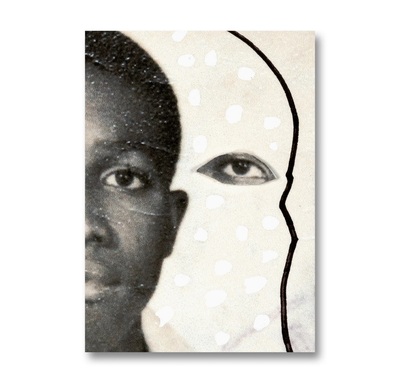
- Résumé : Passports 2012–2025 presents an intimate body of work by Keisha Scarville taken from an ongoing series centred around her father’s earliest passport photograph. The artist has reinterpreted the photograph over three hundred times to date, each iteration reworked and collaged with varying materials and found imagery – paints, beads, photograph fragments of Black bodies, gold leaf, glitter – to form a deeply textured act of photomontage. Interwoven with the passport works are archival images taken between the 1960s and 1980s in Guyana and New York City, where her father settled in the US, his self-portraits, Scarville’s own photographs of him and of Guyana’s striking landscape, and short transcripts of their conversations. Together these works excavate untold histories and disrupt the false neutrality of the passport image in an interrogation of citizenship and personhood, absence and materiality. Drawing on all these strands, the book examines and reimagines diaspora, bureaucratic images, and the archive, asking what it means to understand a person, especially a loved one, through an image. With a new text by Tina M. Campt, Professor of Humanities at Princeton University