Nous utilisons des cookies pour améliorer votre expérience. Pour nous conformer à la nouvelle directive sur la vie privée, nous devons demander votre consentement à l’utilisation de ces cookies. En savoir plus.

LA VISITATION DANS L'ART
Cerf - EAN : 9782204096584
Édition papier
EAN : 9782204096584
Paru le : 7 juin 2012
33,00 €
31,28 €
Epuisé
Pour connaître votre prix et commander, identifiez-vous
Manquant sans date
Notre engagement qualité
-
 Livraison gratuite
en France sans minimum
de commande -
 Manquants maintenus
en commande
automatiquement -
 Un interlocuteur
unique pour toutes
vos commandes -
 Toutes les licences
numériques du marché
au tarif éditeur -
 Assistance téléphonique
personalisée sur le
numérique -
 Service client
Du Lundi au vendredi
de 9h à 18h
- EAN13 : 9782204096584
- Réf. fournisseur : 775995
- Collection : HISTOIRE
- Editeur : Cerf
- Date Parution : 7 juin 2012
- Disponibilite : Manque sans date
- Barème de remise : NS
- Format : H:238 mm L:169 mm E:14 mm
- Poids : 642gr
- Interdit de retour : Retour interdit
-
Résumé :
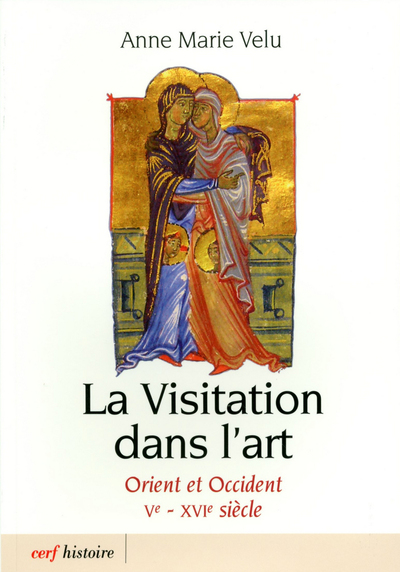
Marie, à qui l'Ange a annoncé qu'elle concevra un fils, se hâte vers sa cousine Élisabeth, enceinte malgré son grand âge. Manuscrits enluminés, retables, icônes, peintures murales, mosaïques, vitraux, objets sculptés, oeuvres-témoins de l'art chrétien en Occident et en Orient datées du Ve au XVIe siècle offrent autant de supports qui montrent les ventres miraculeusement ronds des deux femmes. Le trait saillant de cette iconographie est la visibilité des enfants à naître : Jésus et Jean Baptiste sont représentés dans ou devant le corps de leur mère. Ces images à enfants visibles éveillent la curiosité. Leur concentration dans les régions germaniques et avoisinantes conduit vers le milieu des béguines et de la mystique rhénane, où les thèmes de la naissance de Dieu dans l'âme et de l'union de l'âme avec Dieu rejoignent l'affirmation des Pères des premiers siècles : « Dieu s'est fait homme, pour que l'homme devienne Dieu ». Dans ce contexte religieux, on observe des pratiques dévotionnelles qui rendent non seulement visible mais aussi palpable et manipulable — poupées, berceaux — le corps de Jésus enfant. À quel désir des hommes et des femmes répond ce mode de représentation, sinon à celui de voir l'Incarnation ? La Visitation et l'Annonciation qui la précède sont deux moments de la réalisation du dessein divin d'envoyer le Fils dans le monde. Les oeuvres rassemblées ici le mettent en lumière.
--
Mary, to whom the Angel has announced that she will bear a son, hastens to tell her cousin Elisabeth, who is pregnant despite her advanced years. Illuminated manuscripts, retables, icons, murals, mosaics, stained-glass windows, sculpted objects: works that bear testimony of Christian art in the East and the West, ranging from the 5th to the 16th century and in a dazzling array of media, depicting the miraculously rounded abdomens of these two women. The salient element in all this iconography is the visible presence of the unborn children: Jesus and John the Baptist are represented either within or in front of their mothers' bodies. These images of visible children arouse our curiosity. Their concentration in the Germanic and adjoining regions leads to the milieu of the Beguines and Rhenish mysticism, where the themes of the birth of God in the soul and the union of the soul with God recall the assertion of the first century Fathers: ‘God became man, that man might become God'. In this religious context, we perceive devotional practices in which dolls, cradles — the body of the Christ Child Himself — are not only visible but also palpable and tangible. To what possible desire in the hearts of men and women could this form of representation correspond - if not to witness the Incarnation? The Visitation and Annunciation - two preceding stages in the realisation of God's plan to send His Son into the world, are gloriously highlighted by the works assembled here.