Nous utilisons des cookies pour améliorer votre expérience. Pour nous conformer à la nouvelle directive sur la vie privée, nous devons demander votre consentement à l’utilisation de ces cookies. En savoir plus.

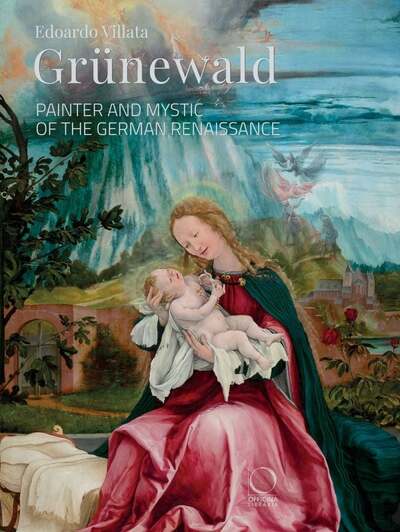
Grünewald : painter and mystic of the german renaissance (eng)
Officina Italie - EAN : 9788833673349
Édition papier
EAN : 9788833673349
Paru le : 14 nov. 2025
45,00 €
42,65 €
Disponible
Pour connaître votre prix et commander, identifiez-vous
Notre engagement qualité
-
 Livraison gratuite
en France sans minimum
de commande -
 Manquants maintenus
en commande
automatiquement -
 Un interlocuteur
unique pour toutes
vos commandes -
 Toutes les licences
numériques du marché
au tarif éditeur -
 Assistance téléphonique
personalisée sur le
numérique -
 Service client
Du Lundi au vendredi
de 9h à 18h
- EAN13 : 9788833673349
- Réf. fournisseur : ARTICLE_1704
- Collection : LA GRANDE OFFIC
- Editeur : Officina Italie
- Date Parution : 14 nov. 2025
- Disponibilite : Disponible
- Barème de remise : NS
- Nombre de pages : 304
- Format : H:270.00 mm L:200.00 mm
- Poids : 1.3kg
- Résumé : The German painter Mathis Grünewald (c. 1480–1528) has remained one of the most enigmatic figures of the Renaissance, his artistic identity defined by stylistic complexity and historical obscurity. In this study, Edoardo Villata reexamines Grünewald’s oeuvre through a critical reassessment of sources, stylistic developments, and the broader network of artistic influences. Moving beyond established interpretations, Villata explores the relationship between documentary research and comparative analysis, situating Grünewald within the artistic and intellectual landscape of his time. By integrating stylistic analysis, documentary research, and an expansive perspective that extends beyond painting to sculpture and religious thought (two of the most relevant results are the discovery of the role of the sculptor Tilman Riemenschneider for his training and of Johann von Staupitz, Luther´s mentor, for the iconography of the Isenheim Altarpiece), Villata reassesses Grünewald’s possible connections to contemporary artistic centers, offering a new reading of his production and its historical significance. Much more than a monograph, this study challenges prevailing narratives and highlights the necessity of methodological stringency in art historical research. Essential reading for scholars and specialists, it provides an indispensable contribution to Grünewald studies and Renaissance historiography.