Nous utilisons des cookies pour améliorer votre expérience. Pour nous conformer à la nouvelle directive sur la vie privée, nous devons demander votre consentement à l’utilisation de ces cookies. En savoir plus.

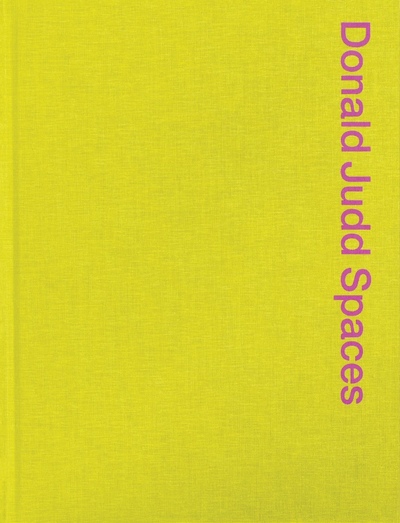
DONALD JUDD SPACES
EAN : 9798218700966
Édition papier
EAN : 9798218700966
Paru le : 1 mars 2026
100,00 €
94,79 €
Bientôt disponible
Pour connaître votre prix et commander, identifiez-vous
A paraître 1 mars 2026
Notre engagement qualité
-
 Livraison gratuite
en France sans minimum
de commande -
 Manquants maintenus
en commande
automatiquement -
 Un interlocuteur
unique pour toutes
vos commandes -
 Toutes les licences
numériques du marché
au tarif éditeur -
 Assistance téléphonique
personalisée sur le
numérique -
 Service client
Du Lundi au vendredi
de 9h à 18h
- EAN13 : 9798218700966
- Date Parution : 1 mars 2026
- Disponibilite : Pas encore paru
- Barème de remise : NS
- Nombre de pages : 464
- Format : H:222 mm L:292 mm
- Poids : 0gr
- Résumé : "This expansive volume presents an unprecedented visual survey of Donald Judd’s permanently installed living and working spaces in New York and Texas. Edited by Rainer Judd and Flavin Judd, it includes newly commissioned and archival photographs presented alongside five essays by the artist and drawings for architecture and design. From 101 Spring Street, a nineteenth-century cast-iron building in Manhattan, to Ayalade Chinati, an extensive ranch in the mountains of western Texas, this book details the interiors, exteriors, and land surrounding the buildings that comprise Judd’s extant living and working spaces stewarded by Judd Foundation. Each space was thoroughly considered by Judd with resolute attention to function and design. From furniture to utilitarian structures that Judd designed himself, these spaces underscore his deep interest in the preservation of buildings and his deliberate interventions within existing architecture. Co-published with Judd Foundation"
- Biographie : Donald Judd (1928–1994) was born in Excelsior Springs, Missouri. After serving in the United States Army, he attended the College of William and Mary in Williamsburg, Virginia; the Art Students League of New York; and Columbia University in New York, where he completed a BS in Philosophy in 1953. Judd was a prolific critic for magazines including Arts, Art International, and Art News; he continued to write throughout his career, addressing the relationship of art practice to architecture, design, political action, and lived experience in letters and published essays. As an artist, he started out as a painter before turning to three-dimensional work. His radical work and thinking helped shape the art of the late twentieth century and continues to influence artists, architects, and designers worldwide. He has exercised a transformative influence over the ways in which both art objects and practical designs are produced, exhibited, encountered, and used.