Nous utilisons des cookies pour améliorer votre expérience. Pour nous conformer à la nouvelle directive sur la vie privée, nous devons demander votre consentement à l’utilisation de ces cookies. En savoir plus.

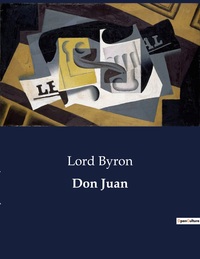
Don Juan
EAN : 9791041989270
Édition papier
EAN : 9791041989270
Paru le : 20 mars 2024
32,90 €
31,18 €
Disponible
Pour connaître votre prix et commander, identifiez-vous
Notre engagement qualité
-
 Livraison gratuite
en France sans minimum
de commande -
 Manquants maintenus
en commande
automatiquement -
 Un interlocuteur
unique pour toutes
vos commandes -
 Toutes les licences
numériques du marché
au tarif éditeur -
 Assistance téléphonique
personalisée sur le
numérique -
 Service client
Du Lundi au vendredi
de 9h à 18h
- EAN13 : 9791041989270
- Réf. fournisseur : 339332
- Date Parution : 20 mars 2024
- Disponibilite : Disponible
- Barème de remise : NS
- Nombre de pages : 606
- Format : H:220 mm L:170 mm E:32 mm
- Poids : 929gr
- Résumé : "Don Juan" by Lord Byron is a satirical epic poem that explores themes of love, morality, and societal norms through the adventures of its titular character, Don Juan. The poem begins with a dedication to Robert Southey, a contemporary poet, and criticizes the literary and political figures of Byron's time. The narrative follows Don Juan, a young Spanish nobleman, from his birth in Seville to his various romantic and adventurous escapades across Europe. Byron employs a humorous and ironic tone to critique the romantic ideals and moral hypocrisies of the 19th-century society. The poem is divided into multiple cantos, each detailing different episodes in Don Juan's life. In the first canto, we learn about Don Juan's upbringing by his mother, Donna Inez, who is determined to raise him as a paragon of virtue. However, as Juan matures, he becomes entangled in a series of romantic liaisons, starting with Donna Julia, a married woman. This affair sets the stage for Juan's subsequent adventures and misadventures, which include shipwrecks, battles, and encounters with various women. Byron's "Don Juan" is notable for its use of ottava rima, a stanza form that allows for both narrative and comedic elements. The poem's digressive style and witty commentary on contemporary issues make it a unique blend of epic and satire. Through Don Juan's journey, Byron explores the complexities of human nature, the folly of romantic idealism, and the contradictions inherent in societal conventions.