Nous utilisons des cookies pour améliorer votre expérience. Pour nous conformer à la nouvelle directive sur la vie privée, nous devons demander votre consentement à l’utilisation de ces cookies. En savoir plus.

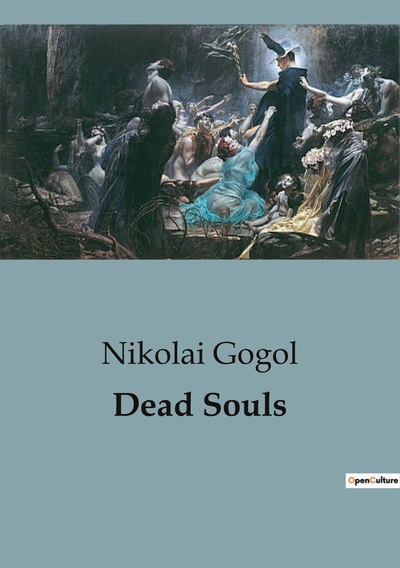
Dead Souls
EAN : 9791041816972
Édition papier
EAN : 9791041816972
Paru le : 19 juin 2023
22,90 €
21,71 €
Disponible
Pour connaître votre prix et commander, identifiez-vous
Notre engagement qualité
-
 Livraison gratuite
en France sans minimum
de commande -
 Manquants maintenus
en commande
automatiquement -
 Un interlocuteur
unique pour toutes
vos commandes -
 Toutes les licences
numériques du marché
au tarif éditeur -
 Assistance téléphonique
personalisée sur le
numérique -
 Service client
Du Lundi au vendredi
de 9h à 18h
- EAN13 : 9791041816972
- Réf. fournisseur : 288526
- Date Parution : 19 juin 2023
- Disponibilite : Disponible
- Barème de remise : NS
- Nombre de pages : 288
- Format : H:210 mm L:148 mm E:16 mm
- Poids : 376gr
- Résumé : "Dead Souls" by Nikolai Gogol is a seminal work in Russian literature, first published in 1842. The novel is a satirical exploration of Russian society during the era of serfdom. It follows the protagonist, Chichikov, as he travels across Russia with the peculiar aim of purchasing "dead souls"—serfs who have died since the last census but are still counted as living for tax purposes. Chichikov's scheme is to use these "souls" as collateral to acquire wealth and status. Gogol's narrative is rich with humor and irony, yet it also delves into the tragic aspects of the human condition, reflecting the complexities of the Russian character. The novel is often compared to works like "Don Quixote" and "The Pickwick Papers" for its structure and character development. Despite its unfinished state, "Dead Souls" is considered complete in its existing form, as Gogol destroyed parts of the manuscript under the influence of religious fervor. The novel's impact on Russian literature is profound, influencing subsequent writers like Dostoevsky and Tolstoy. Gogol's work is a blend of realism and symbolism, with Chichikov representing a universal archetype of the opportunistic individual. The novel's enduring relevance lies in its critique of societal norms and its exploration of the moral and ethical dilemmas faced by individuals.