Nous utilisons des cookies pour améliorer votre expérience. Pour nous conformer à la nouvelle directive sur la vie privée, nous devons demander votre consentement à l’utilisation de ces cookies. En savoir plus.

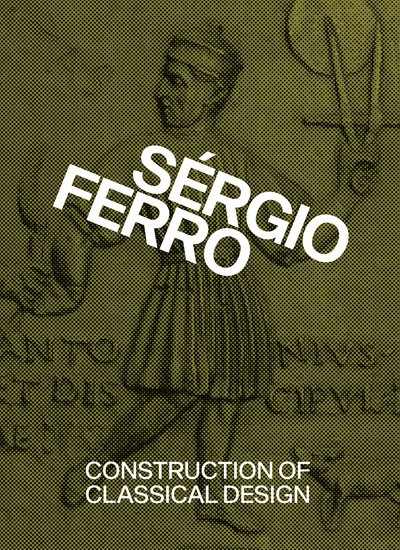
Construction of Classical Design
EAN : 9781915743503
Édition papier
EAN : 9781915743503
Paru le : 31 déc. 2099
30,00 €
28,44 €
Bientôt disponible
Pour connaître votre prix et commander, identifiez-vous
A paraître 31 déc. 2099
Notre engagement qualité
-
 Livraison gratuite
en France sans minimum
de commande -
 Manquants maintenus
en commande
automatiquement -
 Un interlocuteur
unique pour toutes
vos commandes -
 Toutes les licences
numériques du marché
au tarif éditeur -
 Assistance téléphonique
personalisée sur le
numérique -
 Service client
Du Lundi au vendredi
de 9h à 18h
- EAN13 : 9781915743503
- Date Parution : 31 déc. 2099
- Disponibilite : Pas encore paru
- Barème de remise : NS
- Nombre de pages : 432
- Format : H:165 mm L:225 mm
- Poids : 0gr
- Résumé : Construction of Classical Design is a detailed historical analysis of the genesis of architectural drawing and design since the late Gothic period in Europe. In his exacting and irreverent style, Sérgio Ferro reveals how these tools were slowly separated from their origin – instruments in a material process – and turned into a formal language, legitimised through reference to antiquity and alien to the logic of construction and its workers. This transformation is shown to be part of the social, economic, political, and intellectual transition from the Middle Ages to the capitalist era. In tandem, Ferro deciphers the evolution of the professional and disciplinary field of architecture, with its struggles for recognition and its self-deceptions. Following Architecture from Below and Design and the Building Site, this third volume of Ferro’s writings presents some of his most recent research, offering a radical reinterpretation of the received history of European architecture, and with it architecture tout court. It offers a deeply material analysis of a subject often either bypassed or overindulged, proposing lucid explanations and inspiring new ways of working.