Nous utilisons des cookies pour améliorer votre expérience. Pour nous conformer à la nouvelle directive sur la vie privée, nous devons demander votre consentement à l’utilisation de ces cookies. En savoir plus.

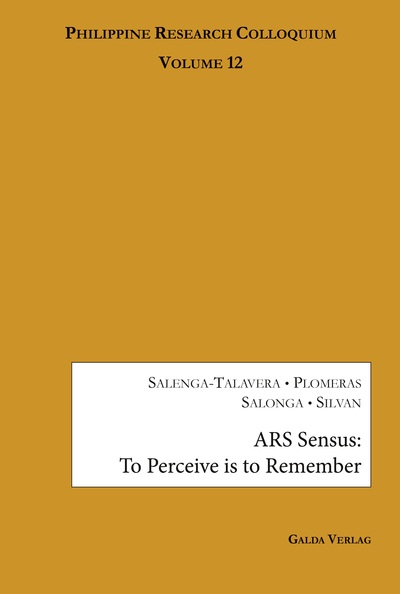
Ars Sensus: To Perceive is to Remember
EAN : 9783962034726
Édition papier
EAN : 9783962034726
Paru le : 25 nov. 2025
39,00 €
36,97 €
Disponible
Pour connaître votre prix et commander, identifiez-vous
Notre engagement qualité
-
 Livraison gratuite
en France sans minimum
de commande -
 Manquants maintenus
en commande
automatiquement -
 Un interlocuteur
unique pour toutes
vos commandes -
 Toutes les licences
numériques du marché
au tarif éditeur -
 Assistance téléphonique
personalisée sur le
numérique -
 Service client
Du Lundi au vendredi
de 9h à 18h
- EAN13 : 9783962034726
- Réf. fournisseur : 428642
- Date Parution : 25 nov. 2025
- Disponibilite : Disponible
- Barème de remise : NS
- Nombre de pages : 80
- Format : H:230 mm L:155 mm E:5 mm
- Poids : 148gr
- Résumé : Visual art is considered as one of the most essential aspects of human experience, representing the environment and period in which people live today. This study aimed to examine the role of visual stimuli in conveyance analysis skills among five participants from Bachelor of Elementary Education third-year students at Bataan Peninsula State University - Dinalupihan Campus. This study seeks to: (1) describe the interpretation of the participants from visuals, (2) describe how participants create and retain meanings from visual samples, (3) create a participatory visual art material based on the results of the study. This study utilized a qualitative method using Participatory Visual Research Design. Regarding the data gathering, Structured Questionnaires, Artworks, and Thematic Analysis were utilized. There is a significance in the Bachelor of Elementary Education (BEEd) third-year students' contextual analysis in artworks. In terms of perception and retention in artworks, this study found out the presented themes from the data analysis: (1) happiness, (2) depth, (3) fear, (4) life, (5) pain. The Bachelor of Elementary Education (BEEd) third-year students' visual perception and illustration was also used for production of participatory visual art materials such as Comics and Doodle in a form of artworks to highlight the responses of the participants. These artworks serve not only as creative expressions but also as educational tools, facilitating a deeper understanding of the intricate relationship between individuals and visual media. This research contributes to the broader discourse on the pedagogical value of visual arts in fostering analytical thinking and enriching educational practices.