Nous utilisons des cookies pour améliorer votre expérience. Pour nous conformer à la nouvelle directive sur la vie privée, nous devons demander votre consentement à l’utilisation de ces cookies. En savoir plus.

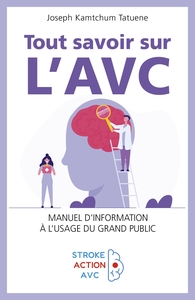
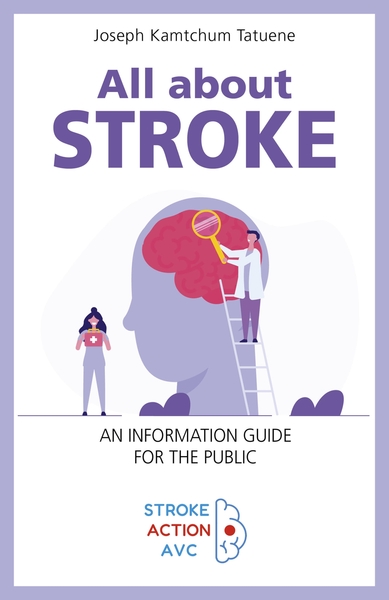
All about stroke
Librinova - EAN : 9791043916038
Édition papier
EAN : 9791043916038
Paru le : 16 oct. 2026
15,90 €
15,07 €
Disponible
Pour connaître votre prix et commander, identifiez-vous
Notre engagement qualité
-
 Livraison gratuite
en France sans minimum
de commande -
 Manquants maintenus
en commande
automatiquement -
 Un interlocuteur
unique pour toutes
vos commandes -
 Toutes les licences
numériques du marché
au tarif éditeur -
 Assistance téléphonique
personalisée sur le
numérique -
 Service client
Du Lundi au vendredi
de 9h à 18h
- EAN13 : 9791043916038
- Réf. fournisseur : 1355178
- Editeur : Librinova
- Date Parution : 16 oct. 2026
- Disponibilite : Disponible
- Barème de remise : NS
- Nombre de pages : 110
- Format : H:216 mm L:140 mm
- Poids : 140gr
- Interdit de retour : Retour interdit
-
Résumé :
Worldwide, there are nearly 12 million new cases of stroke and 7.5 million stroke-related deaths every year. This means there is a new case of stroke every two seconds and a new stroke-related death every four seconds. Yet few people realise the scale of the scourge and the need to take action to protect their health. Indeed, the public is poorly informed, and even helpless, as it is often difficult to obtain information from overburdened healthcare professionals or to ascertain the reliability of the plethora of messages available online.
In response, Dr Joseph Kamtchum Tatuene, a neuroepidemiologist, has written an information guide for the public. It provides simple, clear, structured answers to all questions one may have about stroke, whether as a patient, a carer or simply someone with an inquisitive mind, whilst considering the diversity of populations worldwide and specificities related to age, sex, and race. Thanks to this timely manual, stroke risk factors, symptoms, causes, and treatments will no longer hold any secrets for you!
An accessible and supportive guide that offers everyone the opportunity to learn about stroke, a disease that remains far too poorly understood despite its frequency and severity.