Nous utilisons des cookies pour améliorer votre expérience. Pour nous conformer à la nouvelle directive sur la vie privée, nous devons demander votre consentement à l’utilisation de ces cookies. En savoir plus.

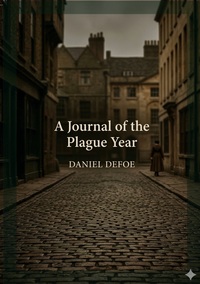
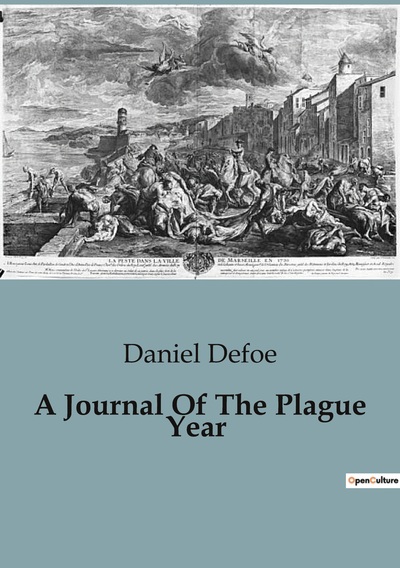
A Journal Of The Plague Year
EAN : 9791041820177
Édition papier
EAN : 9791041820177
Paru le : 4 oct. 2023
16,00 €
15,17 €
Disponible
Pour connaître votre prix et commander, identifiez-vous
Notre engagement qualité
-
 Livraison gratuite
en France sans minimum
de commande -
 Manquants maintenus
en commande
automatiquement -
 Un interlocuteur
unique pour toutes
vos commandes -
 Toutes les licences
numériques du marché
au tarif éditeur -
 Assistance téléphonique
personalisée sur le
numérique -
 Service client
Du Lundi au vendredi
de 9h à 18h
- EAN13 : 9791041820177
- Réf. fournisseur : 306137
- Date Parution : 4 oct. 2023
- Disponibilite : Disponible
- Barème de remise : NS
- Nombre de pages : 174
- Format : H:210 mm L:148 mm E:10 mm
- Poids : 234gr
- Résumé : "A Journal of the Plague Year" is presented as a first-person narrative, supposedly written by an eyewitness to the events of the Great Plague of London. While the narrator is fictional, Defoe's account is based on historical records and personal testimonies, making it a compelling blend of fact and fiction. The novel is structured as a year-long journal, chronicling the experiences of the narrator and the people of London during the outbreak of bubonic plague. The narrator describes the escalating panic, the measures taken to contain the disease, and the devastating impact of the plague on all aspects of society. Throughout the narrative, the reader is introduced to various characters who react to the plague in different ways. Some flee the city to avoid infection, while others remain behind to tend to the sick or engage in opportunistic and sometimes immoral behavior. The novel explores themes of fear, survival, human nature, and the breakdown of social order in times of crisis. One notable aspect of "A Journal of the Plague Year" is its vivid and detailed descriptions of the physical and emotional toll of the plague. Defoe's narrative style creates a sense of immediacy and realism, immersing the reader in the grim and chaotic atmosphere of London during the epidemic. Despite being a work of fiction, the novel serves as a historical document, providing valuable insights into the experiences and perceptions of Londoners during one of the most significant public health crises in the city's history. It also offers commentary on the resilience and adaptability of individuals and society in the face of a deadly and unpredictable disease. "A Journal of the Plague Year" remains a notable work in the genre of historical fiction and is valued for its portrayal of a pivotal moment in London's history and its exploration of the human response to a deadly epidemic.
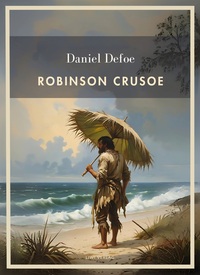
- Biographie : Daniel Defoe, de son vrai nom Daniel Foe, né en 1660 et décédé en 1731 à Londres, est issu d'une famille originaire des Flandres. Après avoir été commerçant à travers l'Europe, fervent partisan du libéralisme et du mercantilisme, il s'est fait connaître en politique avec la publication de pamphlets prônant le renversement du roi Jacques II. En 1719, il invente Robinson Crusoé, ce marin échoué sur une île déserte qui ne s'est pas seulement contenté de parcourir le monde, mais a également traversé les siècles : il représente l'imaginaire des contrées lointaines et des utopies sauvages pour chaque génération de lecteurs. Robinson Crusoé, tel un mythe, se réincarne de mille façons. Tantôt en littérature, tantôt au cinéma ou à la télévision, il inspire nombre d'artistes sur les thèmes du voyage, de la liberté et de la survie. Daniel Defoe, on l'oublie trop souvent, est aussi l'auteur d'une multitude de récits, comme Moll Flanders et Colonel Jack, écrits en 1722, et L'Histoire Générale des plus Fameux Pyrates en 1726, se faisant le témoin d'époques légendaires.