Nous utilisons des cookies pour améliorer votre expérience. Pour nous conformer à la nouvelle directive sur la vie privée, nous devons demander votre consentement à l’utilisation de ces cookies. En savoir plus.

ITALIAN MAIOLICA AND OTHER EARLY MODERN CERAMICS IN THE COURTAULD GALLERY
Holberton - EAN : 9781913645168
Édition papier
EAN : 9781913645168
Paru le : 8 déc. 2023
55,00 €
52,13 €
Disponible
Pour connaître votre prix et commander, identifiez-vous
Notre engagement qualité
-
 Livraison gratuite
en France sans minimum
de commande -
 Manquants maintenus
en commande
automatiquement -
 Un interlocuteur
unique pour toutes
vos commandes -
 Toutes les licences
numériques du marché
au tarif éditeur -
 Assistance téléphonique
personalisée sur le
numérique -
 Service client
Du Lundi au vendredi
de 9h à 18h
- EAN13 : 9781913645168
- Editeur : Holberton
- Date Parution : 8 déc. 2023
- Disponibilite : Disponible
- Barème de remise : NS
- Nombre de pages : 304
- Format : 3.10 x 25.20 x 29.30 cm
- Poids : 1.956kg
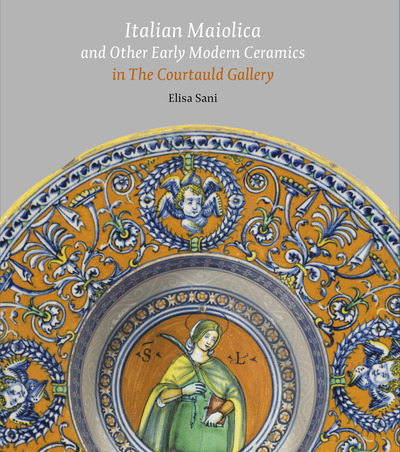
- Résumé : This is the first catalogue of the collection of early modern ceramics in the Courtauld. The pieces in the collection showcase brilliantly the skill of potters and pottery painters working at the time of Raphael and Titian. Maiolica is one of the most revealing expressions of Renaissance art. Its extraordinary range of colours retain the vividness that they had when they left the potter’s kiln. Italian potters absorbed techniques and shapes from the Islamic world and incorporated ornament and subject matter from the arts of ancient Rome. This new approach to pottery making, combined with the invention of printing, woodcut and engraving, resulted in an extraordinary type of painted pottery, praised by Vasari in his Lives of the Artists for ‘surpassing the ancient with its brilliance of glaze and variety of painting’. The collection boasts a magnificent group of vessels made during the high Renaissance, the golden age of Italian maiolica. It includes precious and delicate Deruta lustreware with imagery deriving from Perugino and Raphael, as well as vessels painted in a narrative style of pottery painting known as istoriato. Highlights include vessels depicting episodes taken from the first printed Bibles of the Renaissance. Istoriato maiolica flourished particularly in the lands of the Dukes of Urbino, who promoted this craft by sending painted pottery to prestigious patrons across Europe. Emblems and devices painted on the pottery help us understand that they were meant to be used and enjoyed by the elites in Renaissance society, such as the Medici and other great Tuscan families. The catalogue will include two recent gifts to the Courtauld, a rare tile of the famous patroness of the arts Marchioness Isabella D’Este, and a refined dish painted with the story of Diana and Actaeon. All major Renaissance pottery centres are represented in the collection, including Siena, Faenza and Venice, as well as splendid examples of the mysterious pharmacy jars made at the foot of the mountain of Gran Sasso in the town of Castelli d’Abruzzo. These achievements of the art of pottery in the early modern period are completed by fine examples of Ottoman pottery, as well as examples of Valencian lustreware. Sani’s introductory essay on the Victorian collector Thomas Gambier Parry will shed new light on the development of this fascinating collection, making links between Gambier Parry’s artistic practice and his collecting and revealing new insights into his taste as a collector. Each detailed entry uncovers a wealth of new information on the provenance of the pieces.